Introduction: Why High Demand Skills Can Make or Break Your Relocation Journey
Relocating abroad is one of the most life-changing decisions anyone can make. It represents opportunity, growth, and a chance to build a better future. But behind the excitement lies a reality many people underestimate:
Moving abroad without the right skills can quickly turn into a struggle.
Too often, people focus on visas, travel plans, and destination countries—but overlook the most critical factor: what value they bring to the global job market.
That’s where high demand skills come in.
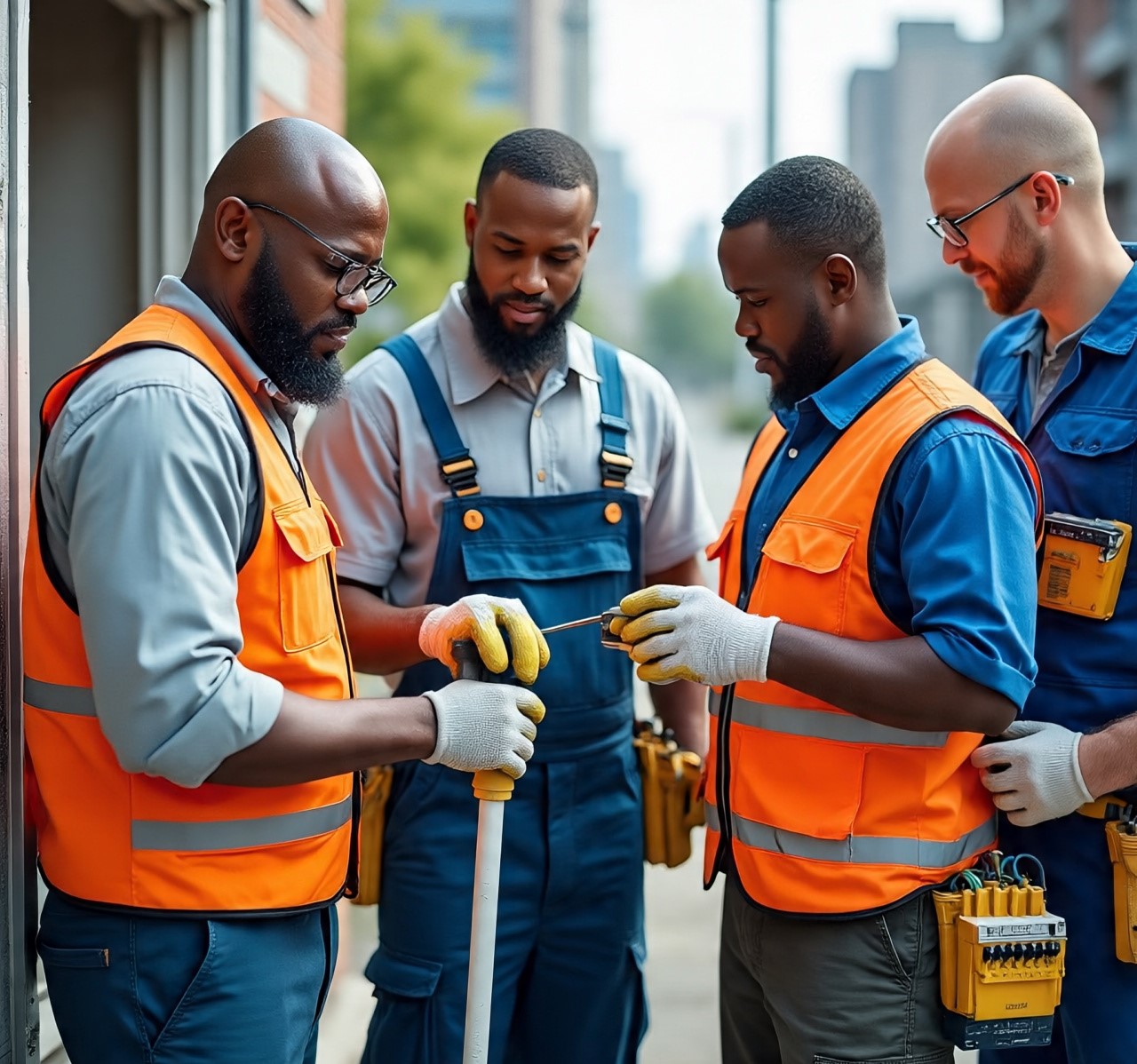
In today’s competitive world, employers are no longer impressed by certificates alone. They are searching for individuals who can solve problems, adapt quickly, and contribute immediately. According to insights from the Future of Jobs Report, skill-based hiring is becoming the dominant trend globally.
This means if you’re serious about relocation, your priority should be mastering the high demand skills to acquire before relocating abroad—skills that are relevant, practical, and globally valued.
In this guide, we’ll explore the best skills to learn before moving abroad for work 2026–2030, including both handy (practical) skills and professional (knowledge-based) skills that can open doors anywhere in the world.
What Are High Demand Skills for Abroad Jobs and Migration?
High demand skills are abilities that:
- Are needed across multiple countries
- Solve real-world problems
- Increase employability and earning potential
These include both:
- Handy skills (practical, hands-on abilities)
- Professional skills (technical and intellectual abilities)
Why They Matter for Relocation
- Help you qualify for skilled worker visas
- Increase job opportunities abroad
- Reduce the risk of unemployment
- Improve your financial stability
Quick Comparison: Handy Skills vs Professional Skills for Relocation
| Category | Handy Skills (Practical) | Professional Skills (Technical) |
|---|---|---|
| Nature | Physical, hands-on | Knowledge-based |
| Examples | Plumbing, electrical work | Data analysis, marketing |
| Demand | High globally | Very high globally |
| Learning Time | Short to medium | Medium to long |
| Job Flexibility | High | Very high |
High Demand Skills to Acquire Before Relocating Abroad (2026–2030 Guide)
Relocating abroad is not just about packing your bags and getting a visa—it’s about preparing yourself to thrive in a completely new environment. One of the biggest determinants of success is whether you possess the right mix of skills that employers across the world are actively searching for.
In today’s global job market, high demand skills are the currency that opens doors. Whether you’re aiming for Europe, North America, the Middle East, or anywhere else, having the right combination of handy (practical) skills and professional (knowledge-based) skills can dramatically increase your chances of securing a job and building a stable life abroad.
Let’s explore the 12 powerful relocation skills that can truly transform your chances of success between 2026 and 2030.
1. High Demand Skills: Electrical and Technical Repair Skills for Abroad Jobs
Why It’s Valuable
Electricians and technicians are among the most sought-after professionals globally. As cities expand and infrastructure continues to develop, there is a constant need for skilled individuals who can install, maintain, and repair electrical systems.
What You’ll Do
- Install wiring systems in homes and commercial buildings
- Maintain electrical equipment
- Diagnose and fix faults in systems
Why It’s a Smart Choice
- High earning potential in many countries
- Opportunities in both employment and self-employment
- Less saturation compared to office-based roles
Deeper Insight
Many developed countries face a shortage of skilled tradespeople because fewer young people are entering these professions. This creates a unique opportunity for migrants with technical expertise to fill that gap.
2. High Demand Skills: Plumbing and Maintenance Skills for Migration
Why It Matters
Plumbing is a universal necessity. From residential homes to large industrial facilities, functioning water systems are critical everywhere.
Key Benefits
- Consistent demand regardless of location
- Ability to start your own business
- Relatively short training period compared to other professions
Expanded Perspective
Plumbing is one of the most reliable skills for migration because it is resistant to automation and always needed. Even during economic downturns, maintenance services remain essential.
3. High Demand Skills: Digital and Tech Skills for International Jobs
Examples
- Web development
- Data analysis
- Cybersecurity
- Cloud computing
Why It’s Critical
Digital transformation is happening across all industries. Companies are increasingly relying on technology to operate, scale, and compete globally.
Why It Stands Out
- Remote work opportunities
- High salaries
- Global demand across industries
Deeper Insight
If you’re looking for flexibility, digital skills are among the best skills to learn before moving abroad for work 2026–2030. They allow you to work across borders, sometimes without even needing to relocate immediately.
4. High Demand Skills: Communication Skills for Abroad Jobs
Why It’s Essential
You might have all the technical skills in the world, but if you cannot communicate effectively, your opportunities will be limited.
What to Focus On
- Clear verbal communication
- Professional writing
- Active listening
- Cross-cultural communication
Why It Matters More Abroad
Working in a foreign country means interacting with people from different cultural backgrounds. Strong communication skills help you integrate faster and perform better.
5. High Demand Skills: Carpentry and Construction Skills for Migration
Why It’s in Demand
The construction industry is booming in many parts of the world due to urbanization and population growth.
Opportunities
- Building construction
- Furniture making
- Interior finishing
- Renovation and repair
Expanded Insight
Carpentry is not just about manual labor—it also involves creativity and precision. Skilled carpenters can earn significantly, especially in countries where craftsmanship is highly valued.
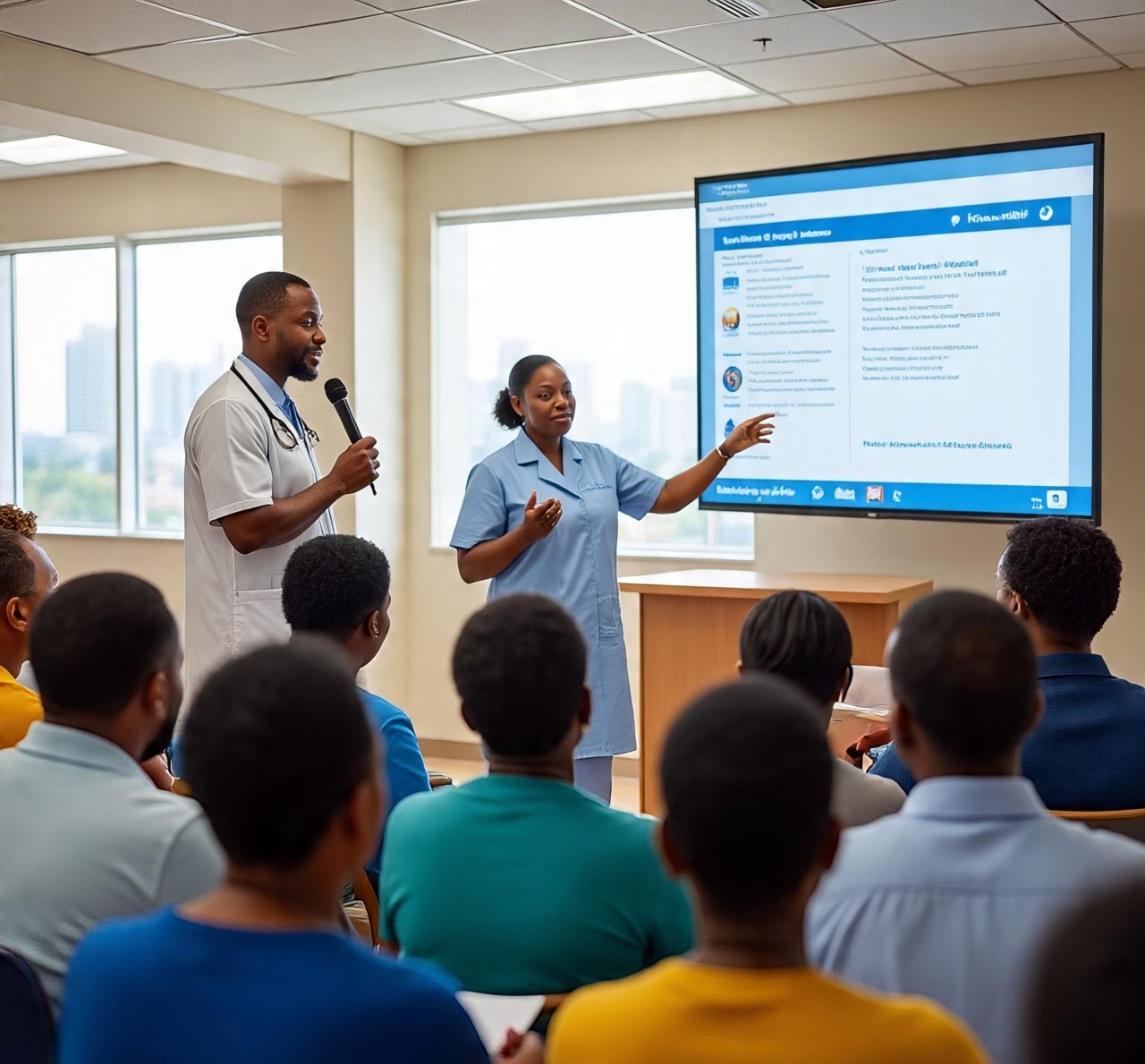
6. High Demand Skills: Healthcare Support Skills for Abroad Jobs
Examples
- Caregiving
- Nursing assistance
- Elderly care
- Medical support roles
Why It’s Future-Proof
As populations age, especially in developed countries, the demand for healthcare workers continues to rise.
Why It’s a Strong Option
- High job security
- Opportunities for career growth
- Meaningful and impactful work
Deeper Insight
Healthcare roles are among the most accessible skills for abroad jobs, especially for migrants willing to undergo short-term training or certification programs.
7. High Demand Skills: Language Skills for Relocation Success
Why It Matters
Language is more than communication—it’s a gateway to opportunities.
Top Languages to Learn
- English (global standard)
- German (Germany, Austria)
- French (Canada, parts of Europe)
Why It’s Powerful
- Increases employability
- Helps with integration
- Builds confidence
Expanded Insight
Even basic proficiency in a country’s language can give you a significant advantage over other candidates.
8. High Demand Skills: Driving and Logistics Skills for Migration
Why It’s Valuable
Global trade depends heavily on logistics and transportation.
Roles Include
- Truck driving
- Delivery services
- Warehouse operations
- Transport coordination
Why It’s in Demand
- Growth in e-commerce
- Need for efficient supply chains
- Shortage of drivers in many countries
9. High Demand Skills: Digital Marketing Skills for Abroad Jobs
What You’ll Learn
- Search engine optimization (SEO)
- Social media marketing
- Content creation
- Paid advertising
Why It’s Powerful
Businesses worldwide are competing for online attention, making digital marketing one of the most valuable in-demand skills for relocation and international jobs.
Added Advantage
You can work remotely or freelance, giving you flexibility even before relocating.
10. High Demand Skills: Problem-Solving Skills for International Careers
Why It’s Important
Employers value individuals who can think independently and solve challenges without constant supervision.
What It Involves
- Critical thinking
- Decision-making
- Creativity in finding solutions
Why It’s Essential Abroad
In a new country, you will face unfamiliar situations. Problem-solving skills help you navigate these challenges effectively.
11. High Demand Skills: Adaptability Skills for Migration
What It Means
- Adjusting to new environments
- Learning quickly
- Embracing change
Why It’s Crucial
Relocation comes with uncertainty—new culture, new systems, new expectations.
Expanded Insight
Adaptability is what separates those who struggle abroad from those who thrive. It allows you to stay resilient and open-minded.
12. High Demand Skills: Personal Branding Skills for Abroad Jobs
Why It’s Critical
Your online presence often creates the first impression for employers.
What to Build
- A professional CV tailored to international standards
- A strong LinkedIn profile
- A portfolio showcasing your work
Why It Matters
In a competitive global job market, visibility is everything.
Expanded Insight
Personal branding is not just about looking good—it’s about clearly communicating your value. Employers want to see what you can do, not just what you claim.
Final Thoughts: Building a Skillset That Travels With You
Relocating abroad successfully is not about luck—it’s about preparation.
The truth is simple:
Countries don’t just accept people—they accept value.
If you equip yourself with the right high demand skills, you increase your chances of:
- Getting hired faster
- Earning better
- Settling comfortably
The most successful migrants are those who invest in themselves before making the move. They understand that skills are not just tools for employment—they are assets that travel with you wherever you go.
So as you plan your relocation journey, don’t just focus on where you’re going.
Focus on who you’re becoming.
Because in the end, your success abroad will not depend on your destination—
It will depend on the skills you bring with you.
Key Insights: Top Skills Needed for Jobs Abroad in 2027
Major Trends
-
Skill-based hiring is increasing
- Handy skills are becoming more valuable
- Hybrid professionals (technical + practical) are in demand
How to Choose the Best Skills for Migration
Ask Yourself
- Which countries am I targeting?
- What skills are in demand there?
- What can I learn quickly?
Future Outlook: In-Demand Skills for Relocation and International Jobs
The most successful individuals will combine:
- Practical skills
- Technical knowledge
- Human skills
Conclusion: Avoid Costly Mistakes and Build a Global Career
Relocating abroad is often seen as a bold leap—a chance to start fresh, explore new opportunities, and build a better life. But beyond the excitement, it’s important to understand something many people overlook:
Relocation is not just a journey—it’s a strategy.
It’s not only about changing your location; it’s about positioning yourself to succeed in a completely different environment. And like any good strategy, success depends on preparation.
The truth is, moving abroad without the right preparation can lead to frustration, financial stress, and missed opportunities. Many people arrive in a new country full of hope, only to find themselves struggling to secure meaningful employment. Not because opportunities don’t exist—but because they lack the skills that employers are actively looking for.
That’s where the concept of high demand skills becomes crucial.
If you take the time to invest in the right relocation skills, you don’t just increase your chances of getting a job—you dramatically improve your ability to build a stable and fulfilling career abroad. You move from being just another job seeker to becoming a valuable asset in a competitive global market.
So what should your focus be?
1. Learning High Demand Skills
The foundation of a successful relocation is your skill set. Before you even think about moving, ask yourself:
- What can I offer that is needed globally?
- Do my current skills match international job demands?
Learning high demand skills—whether they are technical, practical, or interpersonal—gives you a strong advantage. These are the skills that employers are actively searching for, the ones that make your application stand out.
It’s not about learning everything at once. It’s about being intentional. Focus on skills that:
- Are relevant across multiple countries
- Solve real-world problems
- Are difficult to replace or automate
When you invest in the right skills, you are essentially carrying opportunity with you wherever you go.
2. Staying Adaptable
Even with the best skills, relocation comes with challenges. New cultures, different work environments, unfamiliar systems—it can feel overwhelming at first.
This is where adaptability becomes your greatest strength.
Being adaptable means:
- Being open to learning new ways of doing things
- Adjusting to different cultural expectations
- Remaining flexible in the face of change
People who succeed abroad are not always the most qualified—they are often the most adaptable. They don’t resist change; they embrace it. They see challenges not as obstacles, but as opportunities to grow.
In a rapidly changing global job market, adaptability is what keeps you relevant. It allows you to evolve alongside new trends, technologies, and expectations.
3. Building Real-World Experience
Skills alone are powerful—but skills combined with experience are unstoppable.
Employers don’t just want to know what you’ve learned; they want to see what you’ve done with it. That’s why building real-world experience is so important before relocating.
This can include:
- Freelance work
- Internships
- Volunteer projects
- Personal projects or portfolios
Experience demonstrates your ability to apply your knowledge in practical situations. It builds confidence, improves your problem-solving ability, and makes you more attractive to employers.
Even small experiences can make a big difference. What matters is showing that you can deliver results, not just list qualifications.
The Bigger Picture: What Truly Determines Success Abroad
At the end of the day, success abroad is not determined by your destination. It’s not about the country you choose, the city you move to, or even the visa you obtain.
It’s about what you bring with you.
You can move to the most developed country in the world, but without the right skills, mindset, and preparation, success will still be difficult. On the other hand, with the right foundation, you can create opportunities almost anywhere.
Think of your skills as your passport to opportunity—one that goes beyond borders and opens doors in ways that paperwork alone cannot.
Relocating abroad is one of the most rewarding decisions you can make—but only if you approach it with intention and preparation.
So before you take that step, pause and ask yourself:
- Have I equipped myself with the right skills?
- Am I ready to adapt to a new environment?
- Do I have the experience to compete globally?
If the answer is yes, then you’re not just relocating—you’re building a global career.
Because in the end, success abroad isn’t about luck.
It’s about preparation, growth, and the value you bring into every opportunity.
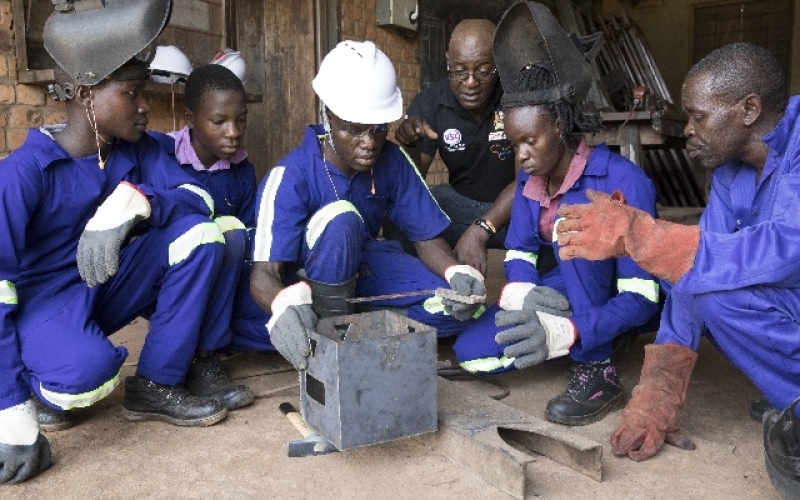
FAQs: High Demand Skills for Migration (Expanded Guide)
1. What are the best skills for abroad jobs?
The best skills for abroad jobs are those that are globally relevant, practical, and adaptable across industries. These typically fall into four major categories:
- Tech skills: Such as web development, data analysis, cybersecurity, and software engineering. These are in high demand worldwide and often come with high salaries and remote work opportunities.
- Skilled trades: Electricians, plumbers, carpenters, and mechanics are always needed, especially in countries facing labor shortages in construction and infrastructure.
- Communication skills: The ability to clearly express ideas, collaborate with teams, and understand cultural differences is essential in any workplace.
- Healthcare support: Roles like caregivers, nursing assistants, and medical support staff are increasingly in demand due to aging populations in many countries.
The key is to choose a skill that not only interests you but also aligns with global job market needs. A combination of technical and human skills often gives the best results.
2. Can handy skills help me relocate abroad?
Yes, handy skills can be one of the fastest and most reliable pathways to relocation. In fact, many countries actively seek skilled tradespeople because there are not enough local workers to fill these roles.
Handy skills such as:
- Plumbing
- Electrical work
- Carpentry
- Welding
- Mechanical repairs
are highly transferable and required in almost every country. These skills are also less likely to be affected by automation, making them a stable career choice.
Another advantage is that handy skills often:
- Require shorter training periods
- Offer opportunities for self-employment
- Provide quicker entry into the job market
For many people, especially those without advanced degrees, handy skills can be a powerful and practical route to working abroad.
3. Which skills are easiest to learn quickly?
If you’re looking to relocate soon, focusing on skills that can be learned in a short time is a smart strategy. Some of the easiest and fastest skills to learn include:
- Digital marketing: Social media management, content creation, and basic SEO can be learned within a few months.
- Communication skills: Improving your speaking, writing, and interpersonal skills can be done through practice and online resources.
- Basic tech skills: Learning tools like Microsoft Office, spreadsheets, or entry-level coding can quickly boost your employability.
These skills are beginner-friendly, widely applicable, and can often be learned online at your own pace. While they may start at an entry level, they can grow into high-paying opportunities with experience.
4. Are degrees necessary for working abroad?
Not always. While degrees can be helpful—especially in fields like medicine, engineering, or law—they are no longer the only path to working abroad.
Many employers today prioritize:
- Practical skills
- Work experience
- Problem-solving ability
This shift toward skill-based hiring means that even without a degree, you can still secure a good job if you have the right abilities.
In fact, industries like:
- Technology
- Skilled trades
- Creative fields
- Logistics
often value what you can do over what you studied. Certifications, portfolios, and hands-on experience can sometimes be more impactful than formal education.
5. How do I start learning these skills?
Starting your skill development journey is easier than ever, thanks to the wide range of learning options available today.
Here are some effective ways to begin:
- Online courses: Platforms offer affordable and flexible learning in areas like tech, marketing, and communication.
- Apprenticeships: Ideal for handy skills, allowing you to learn directly from experienced professionals.
- Hands-on practice: The more you practice, the faster you improve—whether it’s building projects, freelancing, or volunteering.
The most important step is to start immediately and stay consistent. You don’t need to master everything at once. Focus on one skill, build competence, and gradually expand your abilities.
No matter where you are starting from, remember this:
Skills can be learned, improved, and transformed into opportunities.
With the right approach, dedication, and consistency, you can build a skill set that not only helps you relocate abroad—but also thrive once you get there.